
Leptospirosis is the disease you may have never heard of, but need to know about as a pet parent. This disease can be fatal in up to 90% of cases without treatment and even hospitalised cases average a fatality of 50%!
This disease is preventable through vaccination and is considered a core vaccination in some areas of Australia, similar to Parvo vaccination. This article breaks down everything you need to know about Leptospirosis so that you can discuss with your vet and protect your dog.
Contents
•What is Leptospirosis?
•Symptoms of Leptospirosis
•Diagnosis of Leptospirosis
•Treatment of Leptospirosis
•Prognosis of Leptospirosis
•Risk Factors for Leptospirosis
•Prevention of Leptospirosis
•Vaccination Against Leptospirosis
•Risk to Humans
What is Leptospirosis?
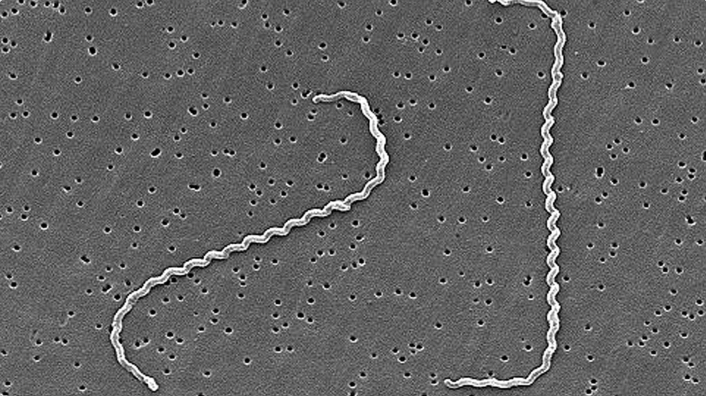
Leptospirosis refers to the disease that results from numerous bacterial species found in the Leptospira genus. While there are many variations within the Leptospira interrogans bacterial species, the two main serovars (bacterial strain) causing disease in Australia are Australis and Copenhageni.
Leptospirosis is a global disease that affects a large number of species, including dogs, cats and humans. It typically exists within a primary host, who is often asymptomatic. In Australia, the primary host for Leptospirosis is rats. Other animals then get exposed to the disease through contact with infected urine, bite wounds or ingestion of infected tissue.
Symptoms of Leptospirosis
Leptospirosis can take 7 days after exposure to present and symptoms can be very non-specific because this bacteria can attack multiple organ systems. The most commonly affected organs tend to be the Kidneys and Liver. Severity of symptoms can also vary widely from mild to multiple organ failure, for this reason, prompt treatment is always important. If you have any concerns about your pet’s health, get them to a vet promptly.
Symptoms can include:
- Lethargy
- Inappetence
- Fever
- Increased drinking and urination
- Vomiting
- Diarrhoea
More severe symptoms can include:
- Abdominal pain
- Difficulty breathing
- Jaundice (yellowing of the gums/white of the eyes)
- Bleeding under the skin (Petechiae)
- Blood in the urine, faeces or vomit
- Bleeding from the nose
- Redness of the eyes (Uveitis)
Diagnosis of Leptospirosis
Due to the non-specific symptoms of Leptospirosis, your veterinarian with recommend starting with tests that can rule out potential causes of their symptoms. These will typically include blood tests and urinalysis.
The results of the above test may be suggestive of Leptospirosis. In order to confirm a suspected diagnosis of Leptospirosis, your vet will send away a sample (blood or urine) for PCR testing. PCR testing looks for the DNA of the leptospirosis vaccination in the submitted sample. If bacterial DNA is found, the test is positive. Alternative tests look at antibodies against Leptospirosis. The more complex and definitive test identifies the type of Leptospirosis strain involved in the infection and the level of antibodies the body has produced to fight it. A simpler test is like a COVID test and only identifies positive vs negative.
In some cases, your veterinarian may recommend radiographs to look for bleeding into the lungs.

Treatment of Leptospirosis
If your veterinarian suspects Leptospirosis, they will start antibiotic treatment straight away. The most commonly used antibiotic is Doxycycline, however, some pets may be too unwell for oral antibiotics and will be given an IV antibiotic to start treatment until they are able to take oral Doxycycline.
Treatment also typically includes hospitalisation and fluid provision, often with 24/7 care. Due to the risk of spread of the disease, your dog will be isolated from other animals and visitation may be limited, or protective equipment will need to be worn. The vet may also administer medications to support their condition, which could include gut protection, management of nausea and vomiting, pain relief, blood pressure control and nutritional support.
Prognosis of Leptospirosis
With appropriate and prompt treatment, survival rates can be up to 80-90%! While this sounds great, there are several factors that can compromise prognosis and outcome:
- Dogs with organ damage, especially if severe, have a poor prognosis.
- Dogs that develop Kidney disease, especially if severe, may require dialysis, which can be difficult to source for pets and costly.
- Some dogs may recover from the Leptospirosis, but the lasting damage can lead to Chronic Kidney Disease or Liver Disease.
- Dogs that experience severe damage to their ability to form blood clots also have a poor prognosis.
- Dogs that have lung involvement or respiratory disease, have poor survival rates.
Additionally, as part of the hospitalisation care, some pets may require dialysis, respiratory support and 24/7 monitoring. This is often only available at a specialist clinic.
Another factor that can affect prognosis is cost. It can be costly to treat this condition, with continuing care, hospitalisation, diagnostics and multiple medications used.
Risk Factors for Leptospirosis
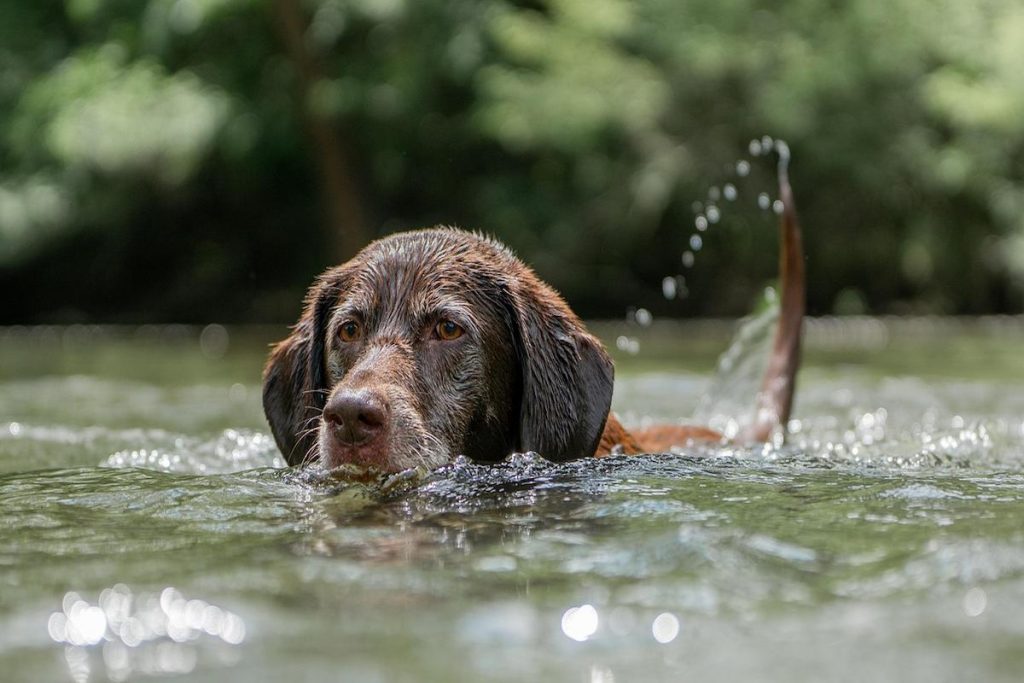
Rats and rodents are the primary host for Leptospira and pass the bacteria in their urine. Dogs can consume infected urine, soil or water, alternatively infection can gain access via broken skin or an open wound. Additionally bite wounds, reproductive secretions and rat tissues can also be infected, spreading the infection to your dog if they come into contact with these or consume them. Once in the body, this bacteria quickly spreads through the bloodstream where is causes blood vessel inflammation, then spreads and infects organs like the Kidneys and Liver. As such, anywhere rats are found or frequent are potential at risk areas.
Leptospira prefers tropical and sub-tropical climates, so tends to be more common in Queensland, especially Northern Queensland, Northern Territory and Western Australia. However, occasionally outbreaks occur in other locations. Sydney is also considered to be a hotspot that experiences frequent outbreaks and cases have been reported in Melbourne as well. Leptospirosis has been identified throughout Australia, however, even as far south as Tasmania.
Pets that are travelling to or through high infection areas are at risk. If you take your dogs camping, they would be at an increased risk.
Leptospira is not species specific and can infected a wide range of animals, including humans. Livestock such as cattle, sheep and pigs, as well as horses can be another source of infection for your dog. Dogs on properties may be at a higher risk.
This water loving bacteria also tends to be seen very commonly after flooding.
Prevention of Leptospirosis
Pets that travel to hotspot locations for Leptospirosis, live in areas where there are rats around or are exposed to any of the risk factors above are recommended to receive vaccination as the best prevention. However, there are other preventative measures you can also put in place to help protect your pet.
- Vaccinate your dog regularly
- Walk your dog on leash in high risk areas – this includes dogs that like to chase rats or swim in dams/creeks
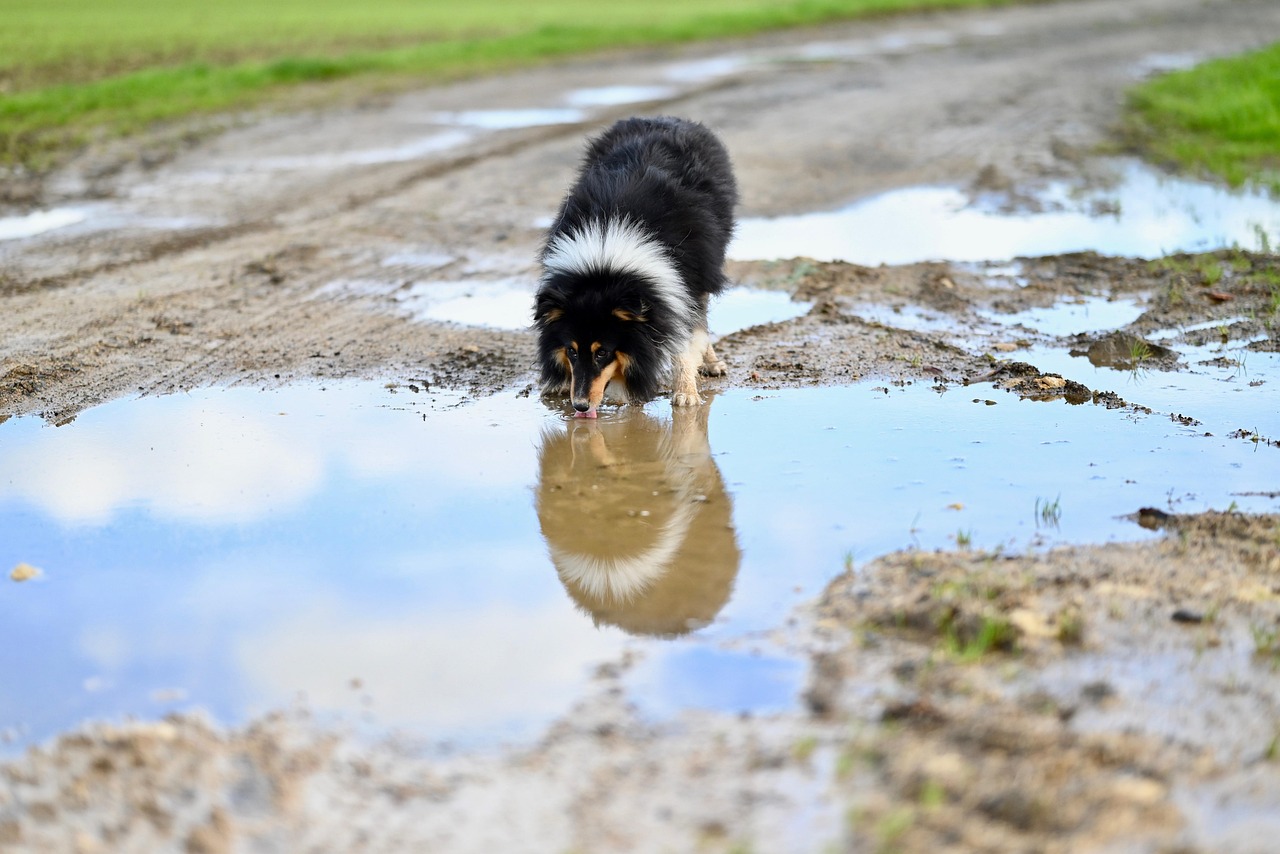
- Prevent your dog from drinking any stagnant water sources, such as puddles, ponds or dams.
- Avoid leaving food out – this attracts rats (Free feeding can also contribute to the current pet obesity problem!)
- Clean up rubbish around the house and yard – this is also important for preventing snakes!
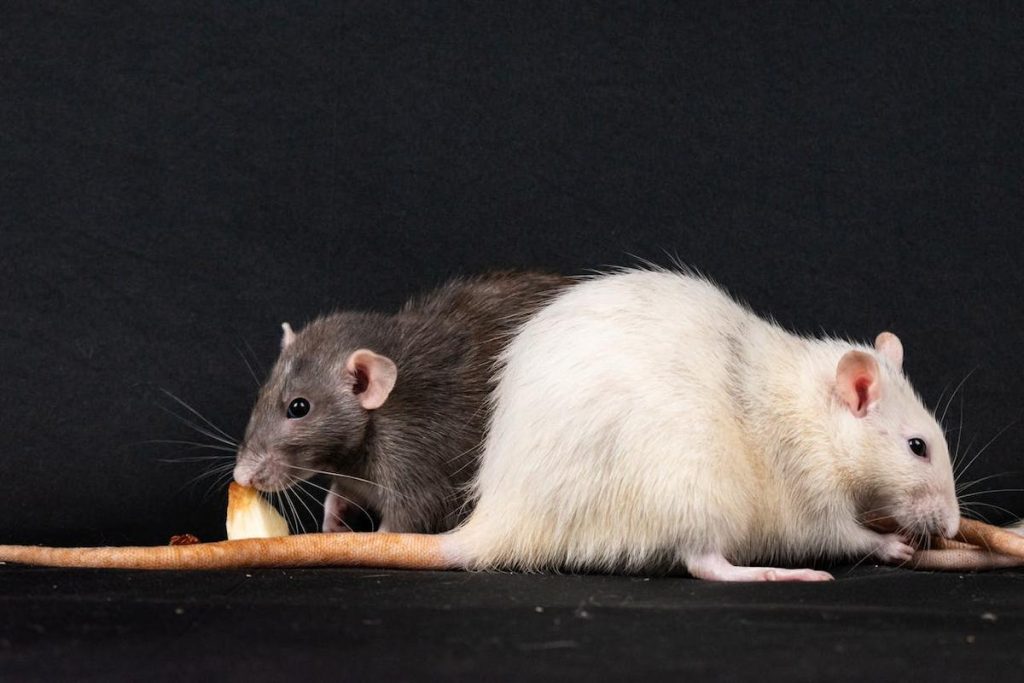
If you have rats around the house, avoid using baits as these are toxic to your dog. It’s also important if you are using traps that they are placed in locations that your dog cannot get caught in them, or come into contact with any rats caught in them.
If your dog shows any signs of being unwell, take them to the vet promptly for examination and treatment.
Vaccination Against Leptospirosis
The best preventative is vaccination! Leptospirosis is not part of the standard vaccination schedule, so be sure to ask your vet about it, especially if they are going to high risk areas. It is however, recommended to be a core vaccination in areas where the disease is endemic (such as Sydney and Northern Queensland). Australia is considered an endemic country in general though.
The vaccination schedule consists of two vaccinations 2-4 weeks apart and annual vaccinations from then on. There is a very limited window of extended protection for these vaccines and failure to get follow up vaccinations on time could result in a repetition of the initial course.
There are two vaccinations available in Australia:
&bull Protech C2i – This vaccination covers Leptospirosis interrogans serovar Copenhagi and Canine Coronavirus.&bull Nobivac Lepto 2 – This vaccination covers both serovars of Leptospirosis most commonly diagnosed in Australia Copenhagi and Australis.
Here at Poppies Mobile Veterinary Services, we use the Nobivac Lepto 2 because this vaccine covers more serovars of Leptospirosis and because Canine Coronavirus vaccination is a non-recommended vaccination in Australia.
If you think your pet might be susceptible to Leptospirosis or are unsure whether to vaccinate them or not, you are more than welcome to discuss this with your local veterinarian at their next visit.
Risk to Humans

Leptosprosis is a zoonotic disease; this means that it infects people as well! You can be infected by the bacteria in the same ways in which your dog can, through items contaminated with rat urine, contaminated water, or infection through broken skin. If your dog becomes infected, they can potentially put you at risk as well. Gloves should be worn when handling urine and hands should be washed thorough after contact with pets to reduce the risk of contamination.
This risk of human contamination also means that veterinary staff treating your pet are at increased risk and may make your dog’s care slightly more difficult, as urine must be promptly cleaned and disposed of and protective equipment will need to be worn by the vet.
Leptospirosis is killed by common disinfectants.
Frequently Asked Questions
If My Dog Has Had Leptospirosis Before Do They Need Vaccination?
Yes, your dog will still need a vaccine. Infection with Leptospirosis does not lead to life long immunity or future protection from the disease. Your dog could become infected again.
Do Cats Get Leptospirosis?
Yes, most mammals are susceptible to Leptospirosis, including cats. However, to date, there have been no recorded clinical cases of Leptospirosis in cats in Australia.
How Long Does Leptospirosis Survive In The Environment?
Leptospirosis can survive in the environment for weeks to months depending on the conditions, as heat and dehydration can kill it. However, some studies suggest it can survive for over a year in water.
How Is Leptospirosis Transmitted?
Leptospirosis is spread via urine. Urine containing Leptospira bacteria can contaminate soil and water in the environment, which can act as a method of transmission. Dog urine can be a source of infection for humans.
